The industrial revolution in production efficiency through intelligent soldering technology specifically benefits electronics manufacturing operations. The combination of advanced automation along with precise control methods and real-time data analytical capabilities makes intelligent soldering systems capable of handling modern production challenges in terms of complexity needs and tight tolerance requirements and increased throughput needs. This innovative technology gives manufacturers access to unmatched operational speed along with accurate results and low production costs.
Precision and Consistency
The main benefit of intelligent soldering technology allows users to achieve precise uniform results. The quality of solder joints suffers due to manual and basic automation methods that traditional soldering processes use. Intelligent systems which use advanced sensors together with control algorithms ensure precise compliance of solder joints to specification requirements. All production parameters including temperature and solder flow rate as well as pressure stay under real-time control to protect optimal process conditions. The precise control achieved through this method lowers both production flaws and rework requirements to boost operational productivity.
Enhanced Quality Assurance
Automation and Speed
Production lines that implement intelligent soldering technology increase both speed and efficiency through smooth implementation. Intelligent soldering tools attached to high-speed robotic arms execute complicated processes with excellent precision. The automated systems operate without physical exhaustion and shorten production periods while delivering stable end results. The automation process decreases both manual worker involvement while simultaneously preventing mistakes from human handling.
Predictive Maintenance
The main benefit of intelligent soldering systems includes predictive maintenance capabilities. The real-time monitoring capabilities of IoT-enabled sensors within these systems allow them to track the condition of soldering equipment. Manufacturers receive early alerts about component wear and potential failures which enables them to arrange maintenance procedures before equipment breakdown happens. The approach lets manufacturers schedule maintenance before breakdowns to keep production lines active continuously.
Cost Efficiency
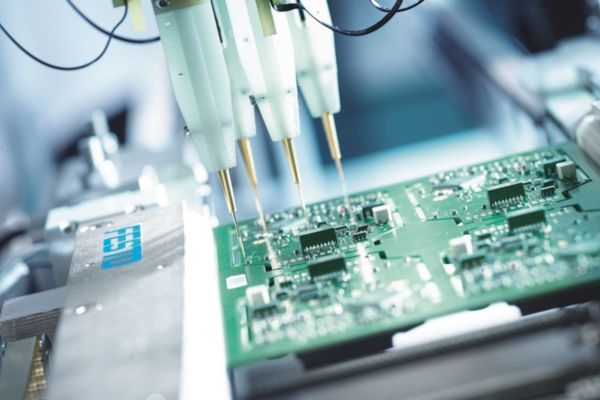
The implementation of intelligent soldering technology leads to various cost reductions. The precise system delivery avoids material waste because it applies exactly the necessary solder quantity to every joint. The reduction of product defects together with decreased rework activities leads to decreased total production expenses. Through predictive maintenance manufacturers can avoid unnecessary repair costs along with stopping production halts.
Data-Driven Optimization
Data analytics integrated into smart soldering systems provides manufacturers with continuous optimization opportunities for their assembling procedures. Production data enables stakeholders to detect operational inefficiencies and spots for betterment. The analysis of material usage and temperature patterns enables producers to develop adjustments which maximize productivity as well as decrease waste levels.
Conclusion
The production efficiency transformation becomes possible through intelligent soldering technology which merges automated systems with data analytics solutions. The tool proves vital for contemporary industries because it guarantees reliable quality and affordable production while supporting complex manufacturing needs. The development of advanced technology will increase the significance of intelligent soldering systems for high-tech manufacturing as well as global industrial innovation and competitiveness.